Living in Louisiana has many benefits, but it also comes with serious flooding challenges for homeowners. Flood insurance can help protect homeowners from financial losses caused by rising water, storm surge, heavy rainfall, overflowing rivers, and other flood events. Standard homeowners insurance is important, but it usually does not cover flood damage, which can leave major gaps after a storm or flood. FEMA explains that most homeowners insurance does not cover flood damage, which makes flood insurance an important separate policy for Louisiana property owners.
Louisiana’s Flood Challenges
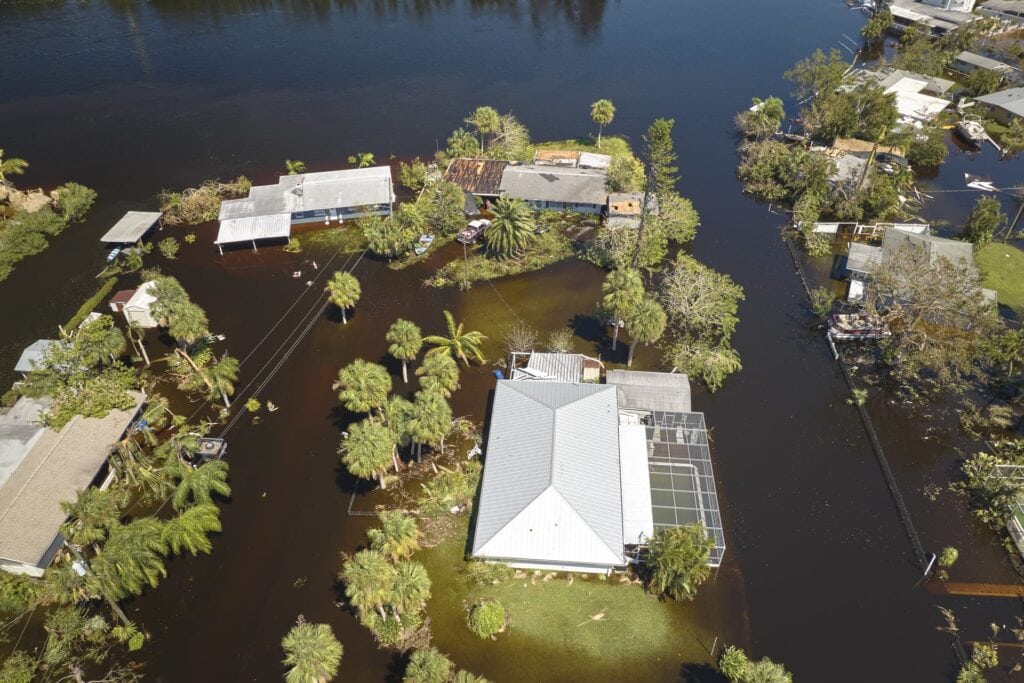
Louisiana’s flood risk is shaped by coastal exposure, low-lying land, rivers, bayous, heavy rainfall, storm surge, and tropical weather. Flooding can affect homes far from the coastline because drainage systems, saturated ground, and intense rain can create damage in inland communities as well. Homeowners should understand their flood zone, review elevation details, and consider how local drainage patterns may affect the property. NOAA reports that Louisiana was affected by 106 billion-dollar weather and climate disaster events from 1980 through 2024, which makes Louisiana flood risk important to review before relying on standard coverage.
Homeowners Insurance Limits
Homeowners should read their policy carefully because flood damage is usually excluded from standard homeowners insurance. A typical policy may cover certain sudden water damage, such as a burst pipe, but that is different from external flooding caused by rising water or storm surge. Louisiana residents should ask their insurance agent to explain exactly what is covered, what is excluded, and whether flood insurance should be added through the National Flood Insurance Program or a private insurer. The Louisiana Department of Insurance explains that flood damage is not covered under homeowners policies, which makes a separate flood insurance policy important for homeowners and businesses.
Flood Insurance Protection
Flood insurance is designed to cover certain direct physical losses caused by flooding, depending on the policy’s building coverage, contents coverage, deductibles, and exclusions. This coverage can help after heavy rainfall, overflowing waterways, storm surge, or other flood events that damage the home or belongings. Homeowners should compare coverage limits and waiting periods before a storm is approaching because flood policies may not start immediately. FEMA’s National Flood Insurance Program explains that just one inch of water in an average-size home can cause roughly $25,000 in damage, which makes flood damage protection important before flooding happens.
Louisiana Homeowners and Flood Insurance
Louisiana homeowners often understand flood risk through real experiences, neighborhood damage, storm history, and rising repair costs. Flood insurance can help protect homeowners from financial losses when rising water, storm surge, overflowing waterways, or heavy rainfall damage a property. Standard homeowners insurance usually does not cover flood damage, so relying on a regular home policy alone can leave major coverage gaps. The Louisiana Department of Insurance explains that flood damage is not covered under homeowners policies, which makes a separate flood insurance policy important for Louisiana homeowners and businesses.
Making Sense of the Cost
Adding another insurance policy may feel like one more expense, but flood damage can create repair costs that are difficult for many households to absorb. Floors, walls, insulation, electrical systems, appliances, furniture, and personal belongings can all be damaged by a small amount of water. Flood insurance should be reviewed as a financial protection tool instead of only as a monthly or annual bill. FEMA’s National Flood Insurance Program explains that just one inch of water in an average-size home can cause roughly $25,000 in damage, which makes flood damage costs important to consider before flooding happens.
Choosing the Right Policy
Finding the right flood policy starts with understanding the property’s flood risk, coverage needs, lender requirements, and policy limits. Homeowners should check official flood maps, compare National Flood Insurance Program and private flood options, and ask an insurance professional about building coverage, contents coverage, deductibles, exclusions, and waiting periods. A flood zone review can also help homeowners understand whether elevation, drainage, or nearby waterways may affect risk. FEMA provides official flood hazard maps through the Flood Map Service Center, which makes flood map review an important first step before choosing coverage.
Key Takeaways About Flood Insurance
Flood insurance is an important consideration for Louisiana homeowners because flood damage can happen outside of coastal areas and outside of named storms. A standard homeowners policy usually does not cover flood damage, so homeowners should review separate flood coverage before heavy rain or hurricane season begins. Comparing coverage options, checking flood maps, and understanding exclusions can help homeowners make stronger decisions.
- Flood insurance is usually separate from standard homeowners insurance.
- Louisiana homeowners should review flood risk even when they do not live directly on the coast.
- Flood maps can help homeowners understand official flood hazard information for a specific property.
- Building coverage, contents coverage, deductibles, exclusions, and waiting periods should be reviewed before buying a policy.
- Homeowners should compare NFIP and private flood insurance options when available.
FAQ About Flood Insurance
Does homeowners insurance cover flood damage?
Most standard homeowners insurance policies do not cover flood damage. Homeowners usually need a separate flood insurance policy through the National Flood Insurance Program or a private insurer.
Why is flood insurance important in Louisiana?
Flood insurance is important in Louisiana because heavy rainfall, hurricanes, storm surge, rivers, bayous, and drainage issues can create flood damage in many communities.
How can homeowners check their flood zone?
Homeowners can check official flood map information through FEMA’s Flood Map Service Center. An insurance agent or local floodplain manager may also help explain what the map means for a specific property.
What should homeowners compare before buying flood insurance?
Homeowners should compare building coverage, contents coverage, deductibles, exclusions, policy limits, waiting periods, and whether the policy comes from the NFIP or a private insurer.
When should homeowners buy flood insurance?
Homeowners should buy flood insurance before heavy rain or hurricane season threatens the area because many policies have a waiting period before coverage becomes active.
- About the Author
- Latest Posts

With over 80 years of combined experience, Southern Ambit Insurance stands as an authority in simplifying the complex world of insurance. Our team is committed to providing exceptional customer service, conducting thorough risk assessments, and crafting tailored policies that offer our clients the best protection and peace of mind.