
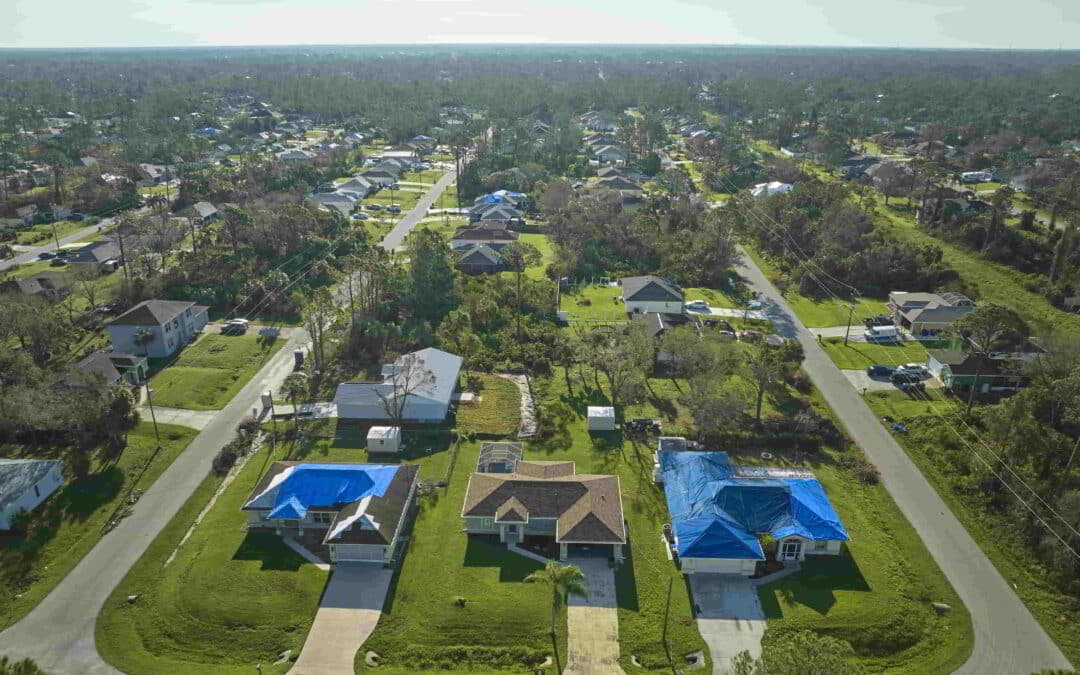
A sudden disaster can expose coverage gaps quickly when a home is not insured for the full cost of repairs, rebuilding, personal belongings, temporary housing, and liability risks. Homeowner’s insurance should be reviewed regularly so coverage reflects current rebuilding costs, home upgrades, personal property value, and liability exposure. Flood insurance should also be reviewed separately because standard home policies usually do not cover flood damage from rising water, storm surge, or overflowing waterways. The National Association of Insurance Commissioners explains that actual cash value coverage often does not pay enough to fully replace damaged property, which makes home insurance coverage important to understand before a loss.
What Homeowners Insurance Covers
Homeowners insurance is a type of property insurance that can help cover damage to a home, personal belongings, and certain liability claims. A standard policy may include dwelling coverage, other structures coverage, personal property coverage, liability coverage, medical payments coverage, and loss of use coverage. Policyholders should review exclusions, deductibles, limits, and whether the policy pays replacement cost or actual cash value. The Louisiana Department of Insurance explains that homeowners insurance covers the structure of the home, personal property, and personal legal responsibility for injuries to others, which makes homeowners insurance protection important for property owners.
Understanding Underinsurance
Underinsurance happens when policy limits are too low to fully repair, rebuild, replace belongings, or cover major liability claims after a loss. This problem can happen when rebuilding costs rise, renovations are not reported, personal property is underestimated, or policy limits are not reviewed for years. A homeowner may have insurance and still face large out-of-pocket costs if coverage does not match the real cost of recovery. The National Association of Insurance Commissioners recommends reviewing home insurance needs annually and after major purchases or remodeling, which makes underinsurance prevention important before renewal.
Short-Term Consequences of Underinsured Homes
Underinsurance can create immediate financial pressure after a covered loss. A burst pipe, fire, windstorm, theft, or major roof leak can quickly exceed low coverage limits or leave homeowners responsible for deductibles, excluded damage, and uncovered repairs. Families may also have to pay for temporary repairs, emergency cleanup, inspections, and replacement items before claim funds arrive. The Federal Reserve reported that 63% of adults in 2025 would cover a $400 emergency expense using cash or its equivalent, which shows why unexpected home repair costs can strain many households.
Compromised Rebuilding and Repairs
Underinsured homeowners may have to delay repairs, reduce the scope of rebuilding, or choose lower-quality materials after a major loss. This can affect safety, durability, resale value, and long-term property condition. Insufficient coverage can also make it harder to hire qualified contractors when labor and materials are expensive. The National Association of Insurance Commissioners explains that replacement cost coverage pays to repair or replace covered property with materials of like kind and quality, which makes replacement cost coverage important to compare with actual cash value coverage.
The Ripple Effect on Personal Belongings
Underinsurance does not only affect the structure of the home. Furniture, clothing, electronics, appliances, tools, decorations, and personal items can be expensive to replace after a fire, storm, theft, or water damage event. Homeowners should keep a detailed inventory so they can estimate personal property needs more accurately. The National Association of Insurance Commissioners says a home inventory can help homeowners determine whether they have enough coverage and can make filing a claim easier, which makes personal property coverage important to review.
Liability Coverage Problems
Liability coverage can become a serious concern when policy limits are too low. A guest injury, dog-related injury, fall, or accidental damage claim can lead to medical bills, legal expenses, settlements, or judgments. Homeowners should review liability limits with an agent, especially if they have pets, pools, rental units, frequent visitors, or higher household assets. The Insurance Information Institute reported that the average dog-related injury claim cost was $65,450 in 2025, which makes homeowners liability coverage important to evaluate.
The Hidden Costs of Temporary Housing
Temporary housing can become expensive when a home is unsafe or unlivable after a covered loss. Hotels, meals, laundry, transportation, storage, pet boarding, and temporary rentals can add up quickly. Loss of use coverage may help with certain additional living expenses, but policy limits and covered causes of loss still matter. The Insurance Information Institute explains that additional living expenses coverage pays the extra costs of living away from home when a house is uninhabitable because of damage from an insured disaster, which makes loss of use coverage important to understand.
The Emotional Toll
Underinsurance can also create stress, uncertainty, and frustration during an already difficult recovery. Homeowners may feel overwhelmed when claim payments fall short, contractors are expensive, or temporary living arrangements last longer than expected. Financial pressure can make a disaster feel harder to manage even after the immediate danger has passed. The American Psychological Association reported that 77% of adults said money was a significant source of stress in its 2023 Stress in America survey, which makes financial stress an important part of disaster recovery planning.
Long-Term Financial Impact
Underinsurance can create long-term financial problems when homeowners must borrow money, drain savings, delay repairs, or live with incomplete restoration. A large uncovered loss may also affect resale value, household stability, and future financial planning. Premiums may change after claims or market-wide losses, especially in areas exposed to hurricanes, wildfires, floods, or severe storms. The Insurance Information Institute explains that rising homeowners insurance costs have been driven by catastrophe losses, inflation, replacement cost increases, supply chain issues, and legal system abuse, which makes long-term insurance planning important.
Steps to Avoid Underinsuring Your Home
Homeowners can reduce the risk of underinsurance by reviewing coverage at least once a year and after major changes. A professional replacement cost estimate, updated home inventory, renovation records, receipts, photos, and contractor documentation can help align coverage with real needs. Homeowners should ask about replacement cost, extended replacement cost, ordinance or law coverage, flood insurance, deductibles, and personal property limits. FEMA explains that the National Flood Insurance Program provides flood insurance to property owners, renters, and businesses, which makes flood coverage review important for homes exposed to rising water.
- Review dwelling limits annually and after renovations, additions, roofing work, or major upgrades.
- Create a home inventory with photos, videos, receipts, serial numbers, and estimated replacement values.
- Ask whether the policy pays replacement cost or actual cash value for the home and belongings.
- Review liability limits, especially when the property has pets, a pool, guests, tenants, or higher-risk features.
- Check whether flood insurance, sewer backup coverage, ordinance or law coverage, or scheduled valuables coverage is needed.
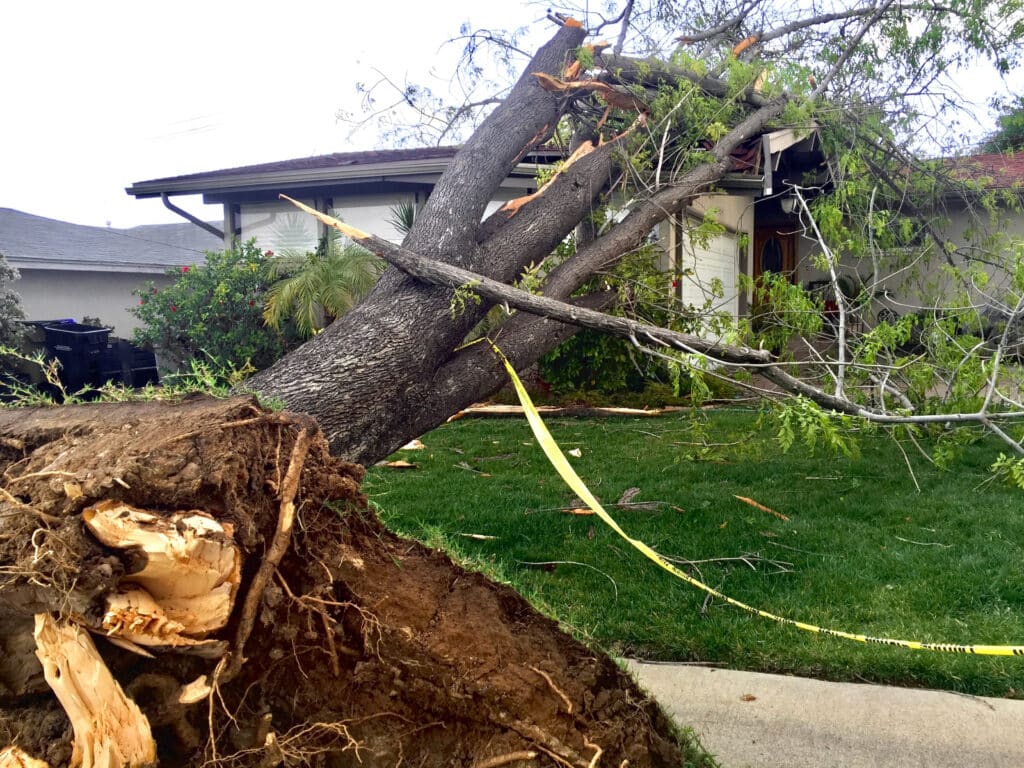
Key Takeaways About Underinsurance
Underinsurance can leave homeowners responsible for major costs after a covered loss. A policy should reflect current rebuilding costs, personal property value, liability needs, temporary housing needs, and local disaster risks. Homeowners should review coverage regularly instead of waiting until a claim exposes a costly gap.
- Underinsurance happens when coverage limits are too low to fully repair, rebuild, replace belongings, or cover liability claims.
- Replacement cost and actual cash value can lead to very different claim payments.
- Personal belongings should be documented with a home inventory before a loss happens.
- Liability coverage should be reviewed when household risks change.
- Flood insurance is usually separate from standard homeowners insurance and should be considered in flood-prone areas.
FAQ About Underinsured Homes
What does it mean to underinsure a home?
Underinsuring a home means the policy limits are too low to fully cover repair, rebuilding, personal property, temporary housing, or liability costs after a loss.
How often should homeowners review coverage?
Homeowners should review coverage at least once a year and after renovations, major purchases, roof replacement, home additions, or changes in local risk.
Why does replacement cost matter?
Replacement cost matters because it focuses on the cost to repair or replace covered property with similar materials. Actual cash value usually subtracts depreciation.
Can personal belongings be underinsured?
Personal belongings can be underinsured when coverage limits are too low or when valuable items exceed standard policy limits. A home inventory can help identify gaps.
Does homeowners insurance cover flood damage?
Standard homeowners insurance usually does not cover flood damage from rising water, storm surge, or overflowing waterways. A separate flood insurance policy is usually needed.
- About the Author
- Latest Posts

With over 80 years of combined experience, Southern Ambit Insurance stands as an authority in simplifying the complex world of insurance. Our team is committed to providing exceptional customer service, conducting thorough risk assessments, and crafting tailored policies that offer our clients the best protection and peace of mind.