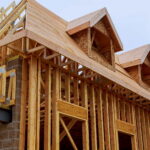

Going without homeowners insurance can create serious financial risk when fire, theft, storms, liability claims, or temporary housing costs affect a household. Homeowner’s insurance can help protect the structure, personal belongings, liability exposure, and certain additional living expenses after covered losses. Flood insurance should also be reviewed separately because standard home policies usually do not cover flood damage caused by rising water, storm surge, or overflowing waterways. The Consumer Financial Protection Bureau explains that mortgage lenders generally require proof of homeowner’s insurance to protect the property, which makes homeowner’s insurance protection important even before closing.
1. Coverage For Damage Inside And Out
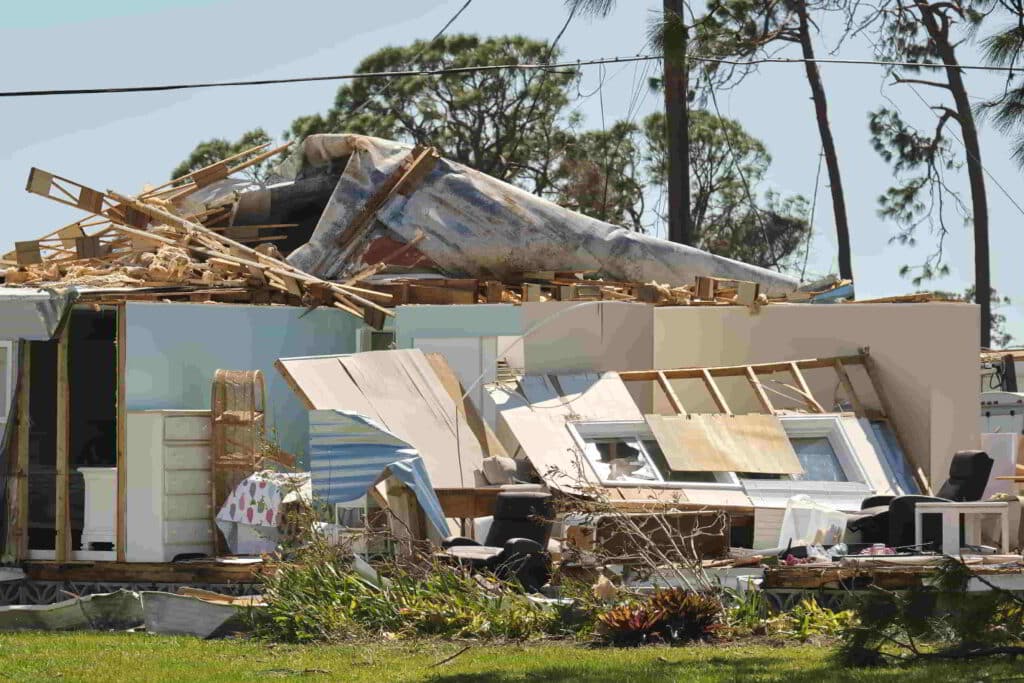
Costly interior and exterior damage can happen to a brand-new home, an older fixer-upper, or a well-maintained property. Fires, storms, theft, vandalism, falling objects, and certain types of water damage can leave homeowners facing repairs they may not be able to afford alone. Homeowners should review the policy carefully because every covered peril, deductible, limit, and exclusion matters. The Insurance Information Institute explains that standard homeowners insurance typically includes coverage for the structure of the home, personal belongings, liability, and additional living expenses, which makes standard homeowners coverage important to understand.
- Dwelling coverage can help repair or rebuild the structure after certain covered losses.
- Other structures coverage may help protect detached garages, sheds, fences, or similar property features.
- Policy limits and deductibles affect how much homeowners may receive after a covered claim.
2. Coverage For Personal Valuables
Homeowners insurance can protect more than the physical house because personal property coverage may apply to belongings inside the home. Furniture, clothing, electronics, appliances, tools, bicycles, kitchen items, and other possessions can be expensive to replace after theft, fire, or another covered loss. Homeowners should check whether valuable items need scheduled coverage or higher limits. The National Association of Insurance Commissioners explains that replacement cost coverage pays the cost to repair or replace covered property without subtracting for depreciation, while actual cash value subtracts age and wear, which makes personal property coverage important to compare.
- Personal property coverage can help replace belongings damaged or stolen during covered events.
- High-value items may need extra coverage if standard limits are too low.
- A home inventory with photos, receipts, and serial numbers can make claims easier to support.
3. Coverage For Personal Liability
Liability protection can matter when someone is injured on the property or when a household member causes covered damage to someone else. Medical bills, legal costs, settlements, and judgments can become expensive quickly when liability coverage is too low. Homeowners with pets, pools, frequent visitors, rental activity, or higher household assets should review liability limits carefully. The Insurance Information Institute explains that liability coverage protects against lawsuits for bodily injury or property damage caused by policyholders, family members, or pets, which makes personal liability coverage important for homeowners.
- Liability coverage may help with legal defense costs when a covered claim leads to a lawsuit.
- Medical payments coverage may help with smaller injury claims, depending on policy terms.
- Umbrella insurance may provide added liability protection above standard policy limits.
4. Fire-Related Liability Protection
Fire damage can affect more than one household when flames, smoke, or heat spread beyond the original property. A covered fire may damage the insured home, personal belongings, nearby structures, or neighboring property. Homeowners should understand how dwelling coverage, personal property coverage, liability coverage, and loss of use coverage apply after a fire. The National Fire Protection Association reports that local fire departments responded to an estimated 338,000 home structure fires in 2024, which makes fire damage protection important for homeowners.
- Fire coverage may help repair or rebuild damaged parts of a home after a covered loss.
- Liability coverage may help if a covered incident causes damage to another person’s property.
- Smoke alarms, fire extinguishers, and electrical maintenance can reduce fire risk and may support safer households.
5. Help With Expenses During And After An Emergency
Some emergencies make a home unsafe or unlivable while repairs are underway. Additional living expenses coverage may help pay certain extra costs, such as temporary lodging, meals, laundry, or other necessary expenses, when a covered loss forces the household to live elsewhere. Homeowners should review limits and time restrictions because this coverage varies by policy. The Insurance Information Institute explains that additional living expenses coverage pays the extra cost of living away from home when a house is uninhabitable because of damage from an insured disaster, which makes additional living expenses coverage important to review.
- Temporary lodging may be covered when the home cannot be safely occupied after a covered loss.
- Meal, laundry, storage, and transportation costs may qualify when they exceed normal household expenses and meet policy terms.
- Policyholders should save receipts and ask the insurer which expenses are eligible.
Key Takeaways About Homeowner’s Insurance
Homeowner’s insurance can protect homeowners from financial losses that may be difficult to handle alone. Coverage should be reviewed regularly so the policy reflects the home, belongings, liability risks, and temporary housing needs. Flood insurance should also be considered separately when a property faces flood risk.
- Homeowner’s insurance may help cover the structure, personal belongings, liability risks, and certain additional living expenses.
- Mortgage lenders often require proof of homeowner’s insurance, but coverage can remain valuable even after a mortgage is paid off.
- Personal property coverage can help replace belongings after covered losses, but high-value items may need extra protection.
- Liability coverage can help protect homeowners from certain lawsuits and injury-related expenses.
- Flood damage usually requires a separate flood insurance policy.
FAQ About Homeowner’s Insurance
Is homeowner’s insurance required?
Homeowner’s insurance is not usually required by law, but mortgage lenders generally require it as a condition of the loan. Homeowners without a mortgage may still need coverage to protect against major financial losses.
What does homeowner’s insurance usually cover?
Homeowner’s insurance usually covers the structure, personal belongings, liability protection, and certain additional living expenses when damage is caused by a covered peril.
Does homeowner’s insurance cover belongings stolen from a vehicle?
Personal belongings stolen from a vehicle may be covered under the personal property section of a homeowners policy, depending on policy terms, limits, and deductibles.
Does homeowner’s insurance cover flood damage?
Standard homeowner’s insurance usually does not cover flood damage from rising water, storm surge, or overflowing waterways. A separate flood insurance policy is usually needed.
What is additional living expenses coverage?
Additional living expenses coverage may help pay certain extra costs when a covered loss makes the home unsafe or unlivable during repairs.
- About the Author
- Latest Posts

With over 80 years of combined experience, Southern Ambit Insurance stands as an authority in simplifying the complex world of insurance. Our team is committed to providing exceptional customer service, conducting thorough risk assessments, and crafting tailored policies that offer our clients the best protection and peace of mind.