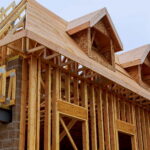

Homeowners insurance claims can become complicated when property damage leaves families dealing with repairs, inspections, and unexpected expenses. Filing a claim involves more than contacting an insurance company because coverage limits, deductibles, documentation, and settlement procedures can affect the outcome. Understanding the claims process helps homeowners protect their interests, avoid preventable mistakes, and address disagreements before they become larger problems. These ten tips for filing a homeowners insurance claim explain what to do after property damage, how to work with insurance adjusters, and what to review before accepting a settlement.
1. Report Property Damage to Your Insurance Company Promptly
Homeowners should prioritize personal safety before examining property damage or beginning the insurance claims process. Once the property is safe to approach, contacting the insurance company or agent allows the homeowner to report the incident and learn what information is needed. The Louisiana Department of Insurance recommends contacting the insurer first and having the policy number and an initial description of the damage available. Homeowners should also confirm how to submit documents, whether an adjuster will visit, and which reporting deadlines apply.
- Contact the insurance company or agent as soon as reasonably possible.
- Provide the policy number, property address, and date of the incident.
- Describe the damage accurately without guessing about unknown causes.
- Request the claim number and contact information for the claims department.
A homeowner discovering roof damage after a severe thunderstorm may notice missing shingles, ceiling stains, or water entering an upstairs room. Reporting these observations promptly allows the insurer to begin reviewing the damage while the homeowner arranges necessary temporary protection. The initial report does not need to include every repair expense because additional damage may become apparent during inspections. Accurate information and timely communication establish a useful starting point for the claim.
2. Review Your Policy Coverage and Deductibles
Homeowners insurance policies differ in what they cover, the exclusions they contain, and the amount homeowners must pay toward a loss. Understanding these details helps prevent confusion when the insurance company explains its coverage decision. Most policies cover certain unexpected events, such as fire, theft, and wind damage, subject to specific policy terms and exclusions. The National Association of Insurance Commissioners explains that deductibles, coverage limits, and insured causes of loss affect how claims are handled.
- Review the policy’s declarations page and coverage limits.
- Identify the deductible that applies to the particular loss.
- Check exclusions involving flooding, maintenance issues, and other causes of damage.
- Ask whether additional coverage endorsements apply.
- Confirm the deadlines for submitting required claim documents.
Louisiana homeowners should pay particular attention to hurricane and named-storm deductibles. These deductibles may be calculated as a percentage of the insured dwelling amount rather than the fixed dollar amount used for certain other claims. Southern Ambit Insurance explains how these costs work in its guide to homeowners insurance deductibles. Reviewing the actual dollar amount before filing a claim helps homeowners understand their potential out-of-pocket expenses.
Coverage exclusions are equally important because not every type of property damage qualifies for reimbursement. Wear and tear, certain water damage, earth movement, and other losses may fall outside standard policy protection. Homeowners can learn more by reviewing what homeowners insurance does not cover before assuming a particular incident is insured.
3. Photograph and Document Damage Before Cleanup
Clear photographs and videos provide important evidence when filing homeowners insurance claims. Property damage may change as materials dry, debris is removed, or temporary repairs begin, making early documentation especially useful. Homeowners should capture wide views of affected rooms along with close photographs showing specific damage. The Louisiana Department of Insurance advises photographing damaged property before cleaning and keeping damaged belongings available for inspection when practical and safe.
- Photograph damaged walls, flooring, ceilings, roofing, and personal belongings.
- Record videos showing the extent of affected areas.
- Take close photographs of cracks, stains, broken materials, and damaged equipment.
- Save original digital files with dates and create backup copies.
A homeowner experiencing water damage may photograph the affected flooring but overlook stains behind furniture or moisture near adjoining walls. Recording the entire room helps establish the location and visible extent of the problem. Homeowners should also photograph identifiable details, including appliance model numbers and damaged personal property. Documentation should be completed only where conditions are safe, especially when structural damage, electricity, or contaminated water presents a hazard.
4. Prevent Additional Damage and Save Emergency Repair Receipts
Insurance policies commonly require homeowners to take reasonable steps to prevent further damage after a loss. A broken window may need temporary boarding, while a damaged roof may require professional tarping to limit additional water intrusion. These protective measures differ from permanent reconstruction, which generally requires greater coordination with the insurer. The Insurance Information Institute recommends documenting damage and making reasonable temporary repairs while preserving receipts for potential reimbursement.
- Arrange safe temporary protection for damaged roofing and windows.
- Shut off water when plumbing damage threatens to cause additional flooding.
- Keep invoices for emergency repairs, water extraction, and protective materials.
- Consult the insurer before authorizing major nonemergency reconstruction.
Consider a homeowner who discovers a leaking roof after a hurricane. Waiting several weeks without protecting the damaged area could allow rainwater to damage insulation, drywall, and personal belongings. Professional temporary protection may reduce additional losses while the insurer investigates the original damage. Homeowners should avoid climbing onto unstable roofs or entering unsafe structures simply to complete repairs themselves.
5. Prepare a Detailed Inventory of Damaged Belongings
Personal property claims often require more documentation than homeowners initially expect. Furniture, appliances, electronics, clothing, tools, and other belongings may need to be listed individually with descriptions and estimated values. A home inventory prepared before a disaster can make this task considerably easier. The National Association of Insurance Commissioners provides home inventory resources to help consumers document their property before losses occur.
- Record the name, brand, model, and approximate purchase date of damaged items.
- Include receipts, photographs, manuals, or other available proof of ownership.
- Estimate original purchase prices and current replacement costs separately.
- Organize belongings by room to reduce the chance of overlooking items.
- Keep a copy of the inventory outside the damaged property.
A homeowner whose living room suffers smoke damage might remember the television and sofa but overlook lamps, curtains, rugs, decorative items, and smaller electronics. Creating a room-by-room inventory can reveal belongings that might otherwise go undocumented. Original receipts are helpful, but homeowners may also have credit card records, photographs, or purchase confirmations. The insurer can explain which types of evidence it accepts when receipts are unavailable.
Homeowners should also determine whether their personal property limits reflect the actual value of their belongings. Insufficient coverage can leave families responsible for substantial replacement expenses even after an otherwise covered loss. Southern Ambit Insurance discusses these concerns in its article about the risks of underinsuring your home, including the financial consequences of outdated coverage limits.
6. Keep an Organized Record of Every Claims Conversation
Homeowners insurance claims can involve numerous conversations with adjusters, contractors, restoration companies, and insurance representatives. Maintaining written records helps homeowners remember important details and recognize when additional information has been requested. A claim log can also provide a useful timeline if disagreements arise over inspections, repair estimates, or payment decisions. Organized correspondence makes it easier to follow up without repeatedly searching through emails and paperwork.
- Record the date, time, and purpose of each conversation.
- Write down the names and contact information of insurance representatives.
- Keep copies of emails, claim forms, estimates, and settlement documents.
- Document promised follow-up actions and requested deadlines.
A homeowner may receive a telephone update explaining that an adjuster needs additional photographs before completing the estimate. Writing down that request and sending the documents through the insurer’s designated process creates a clearer record of what occurred. When important instructions are provided verbally, a brief written follow-up can confirm the understanding. This practice becomes particularly helpful after major storms when claims departments are handling substantial workloads.

7. Prepare for the Insurance Adjuster’s Inspection
Insurance adjusters evaluate reported property damage and gather information used to determine coverage and estimated repair costs. Homeowners should prepare for the inspection by organizing photographs, inventories, and any available contractor assessments. The Insurance Information Institute recommends preparing a list of damaged property and showing the adjuster relevant structural damage during the inspection. Homeowners should also ask questions when the inspection process or estimated repair scope is unclear.
- Prepare a list of damaged rooms, structures, and belongings.
- Share photographs showing damage that existed before cleanup.
- Provide available contractor estimates and emergency repair documentation.
- Ask how hidden damage discovered during repairs should be reported.
- Request a copy of the insurer’s repair estimate when available.
A roofing contractor may identify damaged flashing, underlayment, or decking that was not visible during the initial inspection. Homeowners should document the additional findings and notify the insurer before the affected materials are permanently covered or replaced when reasonably possible. Repair estimates should identify the materials, labor, and work required to restore the property. Differences between a contractor’s estimate and the insurer’s estimate deserve careful review rather than an automatic assumption that either assessment is correct.
8. Understand Actual Cash Value, Replacement Cost, and Living Expenses
Insurance settlement amounts depend partly on how the policy values damaged property. Actual cash value generally considers depreciation, while replacement cost coverage addresses the cost of repairing or replacing covered property with materials of similar kind and quality under the applicable policy terms. The National Association of Insurance Commissioners explains these differences and how they affect out-of-pocket expenses. Some replacement cost policies initially withhold recoverable depreciation until qualifying repairs or replacements are completed and documented.
- Confirm whether damaged property has actual cash value or replacement cost coverage.
- Review depreciation deductions shown on the settlement estimate.
- Ask whether additional payments require proof of completed repairs.
- Check applicable deductibles and limits before calculating expected reimbursement.
The difference between these settlement methods can be substantial when older belongings or building materials are damaged. For example, an insurance company may calculate depreciation on an older roof or household appliance, reducing the initial payment. Southern Ambit Insurance provides a detailed explanation of replacement cost vs. actual cash value, including how depreciation affects insurance claim settlements.
Homeowners whose properties become uninhabitable after covered damage should also review additional living expenses coverage. The NAIC explains that this coverage may help with qualifying temporary housing and extra living costs beyond normal expenses while repairs are completed. Hotel charges, temporary rental expenses, and certain additional meal costs may qualify depending on policy conditions. Homeowners should keep receipts and confirm any dollar limits or time restrictions before making extended housing arrangements.
9. Verify Contractors Before Signing Repair Agreements
Contractors often become available immediately after hurricanes and other disasters, but homeowners should avoid rushing into expensive repair agreements. Poor workmanship, unclear contracts, and fraudulent operators can create financial problems beyond the original property damage. The Louisiana Department of Insurance warns homeowners about post-disaster scams and encourages careful review of repair arrangements. Hiring qualified contractors and documenting the agreed scope of work helps protect homeowners during reconstruction.
- Verify applicable contractor licensing and insurance.
- Request a written estimate describing materials, labor, and project costs.
- Compare reasonable estimates when time and circumstances permit.
- Avoid signing blank contracts or making unusually large upfront payments.
- Review any document involving assignment of insurance benefits or claim rights before signing.
A contractor who promises to handle every insurance matter while demanding immediate payment may create unnecessary risks. Homeowners should understand whether the contractor is being hired for repairs or is attempting to take control of portions of the claims process. Insurance coverage decisions remain subject to the policy and insurer’s review. Clear agreements, verified credentials, and reasonable payment schedules can help prevent disputes after construction begins.
10. Review the Settlement and Request Additional Payment When Justified
Homeowners should examine the insurer’s settlement explanation before assuming that every necessary repair has been included. Estimates may differ because of material pricing, labor costs, hidden damage, or disagreements about the extent of covered losses. A supplemental claim may be appropriate when documented, covered damage requires additional work beyond the original estimate. The Louisiana Department of Insurance provides guidance on resolving insurance claims and encourages policyholders to communicate with their insurers when payment disagreements arise.
- Compare the settlement estimate with the documented repair scope.
- Ask for written explanations of excluded or denied items.
- Submit additional photographs, contractor findings, or estimates when justified.
- Review policy deadlines and any applicable appraisal or dispute procedures.
- Keep copies of payments, settlement correspondence, and completed repair invoices.
A homeowner may discover additional water-damaged materials after a contractor removes damaged drywall. If the newly discovered damage relates to a covered loss, the homeowner can document it and contact the insurer about possible supplemental payment. When the insurer denies the additional amount, requesting a written explanation can help clarify the disagreement. Louisiana residents who cannot resolve a dispute directly may seek assistance through the Louisiana Department of Insurance consumer complaint process.
Does Homeowners Insurance Cover Hurricane and Flood Damage?
Hurricane-related property damage can involve several causes, including wind, wind-driven rain, storm surge, and rising floodwater. Standard homeowners insurance generally does not cover flooding, even when flood damage occurs during a hurricane. The National Flood Insurance Program explains the difference between flood damage and other sources of water damage, including rain entering through a wind-damaged roof. Homeowners should examine both their homeowners and flood insurance policies when an event involves multiple sources of damage.
- Wind damage may be covered under homeowners insurance, subject to policy conditions.
- Flooding from storm surge or overflowing waterways generally requires separate flood coverage.
- Sudden interior plumbing damage may be covered under certain homeowners policies.
- Separate claims may be necessary when both wind and flooding damage the property.
Louisiana homeowners face particular challenges because tropical storms and hurricanes can cause both wind damage and flooding during the same event. Southern Ambit Insurance examines these differences in its article about Louisiana natural disasters and homeowners insurance. Families who need additional information about separate flood coverage can also review what to know about flood insurance rates, including coverage considerations and the flood insurance claims process.
How Long Does a Homeowners Insurance Claim Take?
Homeowners insurance claim timelines vary depending on the damage, coverage questions, inspection requirements, and the availability of repair contractors. A small, straightforward claim may require fewer inspections than a property with substantial structural damage. Major disasters can also create delays when many policyholders need adjusters and contractors at the same time. Homeowners should ask the insurer about applicable response deadlines, the current status of the claim, and any remaining documents needed for a decision.
How to Prepare for Future Homeowners Insurance Claims
Reviewing coverage before property damage occurs can prevent confusion during a future insurance claim. Renovations, home additions, new valuables, and changing construction costs may affect the amount of insurance a household needs. Homeowners should also update their personal property inventories and understand which deductibles apply to different types of losses. A yearly insurance review provides an opportunity to address coverage gaps before unexpected events occur.
- Review dwelling coverage limits and rebuilding costs annually.
- Update home inventories after purchasing valuable belongings.
- Verify hurricane, wind, and other applicable deductibles.
- Check whether separate flood insurance is needed.
- Maintain copies of policies and inventories in a secure location.
Changes in local construction costs, weather risks, claim history, and property condition can also influence future insurance expenses. Homeowners can learn more about these issues by reviewing Southern Ambit Insurance’s explanation of factors that influence homeowners insurance premiums. Reviewing these considerations before renewal helps families understand how property protection and insurance costs may change over time.

Key Takeaways on Homeowners Insurance Claims
Successful homeowners insurance claims depend on accurate information, timely communication, and a clear understanding of policy requirements. Homeowners should protect their property from further damage while preserving evidence that supports the reported loss. Reviewing repair estimates and settlement calculations can help identify missing information or expenses that require additional consideration. Preparation and careful documentation make the process easier to manage, although no specific claim outcome or payment timeline is guaranteed.
- Report property damage promptly and obtain a claim number.
- Review deductibles, coverage limits, and exclusions before estimating payment amounts.
- Document damaged property with photographs, videos, and itemized inventories.
- Keep receipts for emergency repairs and qualifying temporary living expenses.
- Review settlement estimates and submit supplemental documentation when appropriate.
- Seek assistance from state insurance regulators when disputes cannot be resolved directly.
Frequently Asked Questions About Homeowners Insurance Claims
What Should Homeowners Do First After Property Damage?
Homeowners should make sure everyone is safe and avoid entering dangerous areas. Once conditions permit, they should document the damage, notify their insurance company, and take reasonable steps to prevent additional losses. Emergency repairs should be recorded with photographs and receipts.
Can Homeowners File an Insurance Claim Without Receipts?
Yes, homeowners may be able to support a claim using photographs, bank statements, purchase histories, warranties, and other available evidence. Insurance companies may request additional documentation depending on the type of property and amount of the claim. An organized inventory can help identify belongings even when original receipts are unavailable.
Does Filing a Homeowners Insurance Claim Increase Premiums?
Filing a claim may affect future premiums or renewal decisions, depending on state laws, the insurer’s rating practices, claim history, and circumstances of the loss. Homeowners should discuss potential implications with their insurance agent. Coverage decisions and premium changes are not identical across insurance companies.
Can Homeowners Choose Their Own Repair Contractor?
Homeowners generally have the ability to select a contractor, although particular policy arrangements and insurer repair programs may have specific conditions. Insurance companies may review proposed repair costs and approve only expenses covered under the policy. Homeowners should verify contractor qualifications and understand the agreement before authorizing work.
What Happens if the Insurance Settlement Is Too Low?
Homeowners can request an explanation of the insurer’s estimate and provide additional documentation supporting the cost of covered repairs. Supplemental claims, appraisal provisions, and other dispute procedures may be available depending on policy terms and state rules. Louisiana homeowners may also contact the Louisiana Department of Insurance for assistance with eligible consumer complaints.
Can a Homeowners Insurance Claim Be Reopened?
Additional claim review may be possible when covered damage is discovered after an initial payment, but policy language and applicable deadlines matter. Homeowners should notify their insurer promptly when new information becomes available. A supplemental payment is not guaranteed simply because a contractor’s estimate exceeds the original settlement.
Protecting Your Home Throughout the Insurance Claims Process
Homeowners insurance provides financial protection against certain unexpected losses, but understanding the claims process remains an important responsibility for property owners. Careful documentation, reliable contractors, and consistent communication can help families address damage while making informed financial decisions. Southern Ambit Insurance serves homeowners in Southeast Louisiana and helps clients understand homeowners insurance coverage, deductibles, and policy options. Reviewing insurance protection regularly and knowing how to respond after property damage can help homeowners prepare for future emergencies.
- About the Author
- Latest Posts

With over 80 years of combined experience, Southern Ambit Insurance stands as an authority in simplifying the complex world of insurance. Our team is committed to providing exceptional customer service, conducting thorough risk assessments, and crafting tailored policies that offer our clients the best protection and peace of mind.