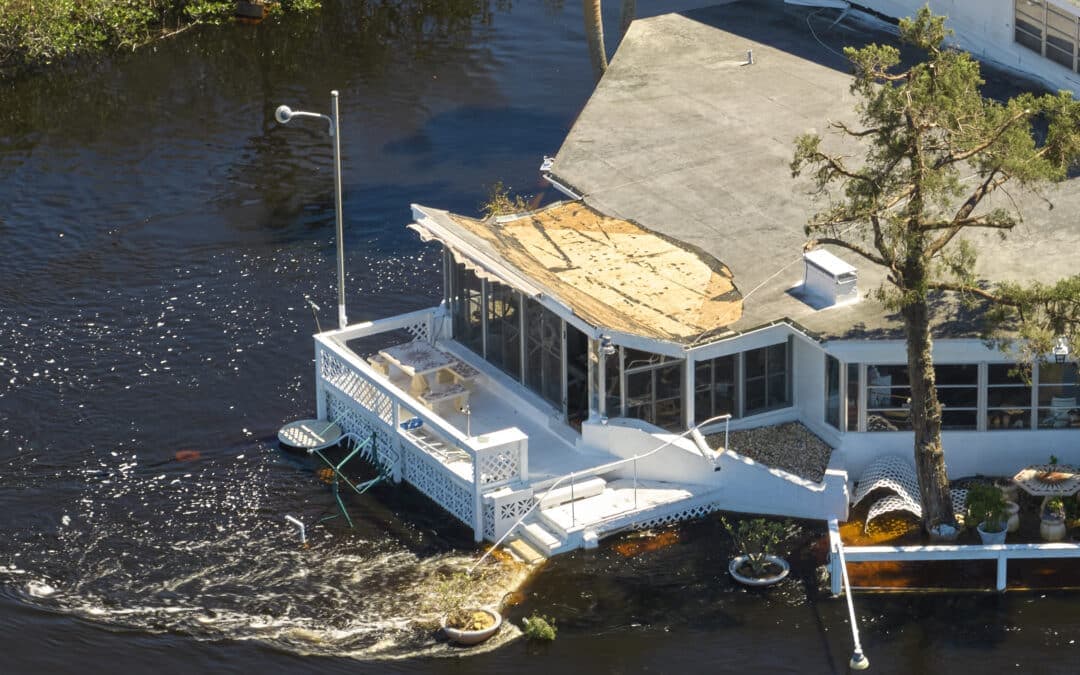
Louisiana weather can change quickly, and homeowners often prepare for hurricanes, heavy rain, wind damage, flooding, and severe thunderstorms throughout the year. Homeowner’s insurance can help protect a house from certain covered losses, but policy details, exclusions, deductibles, and limits matter. Flood insurance is also important because standard home policies usually do not cover flood damage caused by rising water, storm surge, or overflowing waterways. The Louisiana Department of Insurance explains that most homeowners policies do not cover flood insurance, which makes home insurance coverage important to review before storm season.
Louisiana Weather Risks
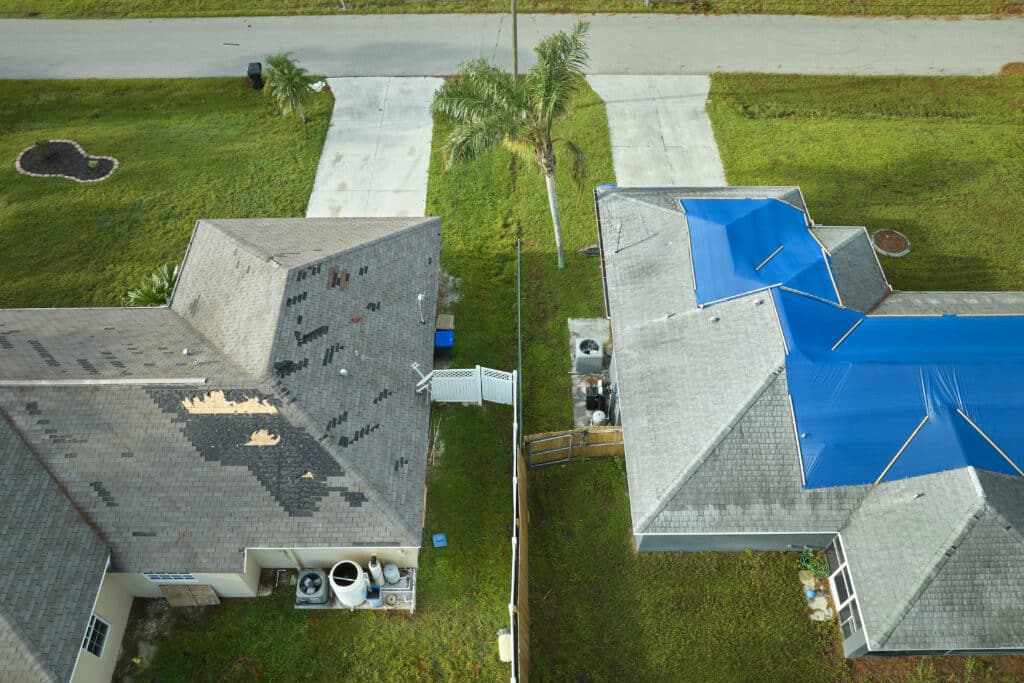
Louisiana homeowners face weather risks tied to hurricanes, severe storms, flooding, heavy rainfall, high winds, and storm surge. These risks can damage roofs, windows, siding, electrical systems, flooring, personal belongings, and foundations. Homeowners should understand which weather losses are covered by their policy and which losses require separate coverage. NOAA reports that Louisiana was affected by 106 billion-dollar weather and climate disaster events from 1980 through 2024, which makes Louisiana weather risks important for homeowners to consider.
- Hurricanes can bring damaging winds, flying debris, storm surge, and heavy rainfall.
- Frequent rain can expose roof leaks, drainage problems, foundation concerns, and moisture damage.
- Flooding can damage homes quickly, even when the property is not directly on the coast.
Direct Impact on Homes
Weather damage can affect more than the outside of a house. Wind can damage shingles, gutters, fences, windows, and exterior doors, while water can damage drywall, flooring, insulation, electrical systems, and personal property. Mold and moisture problems may develop when water damage is not cleaned up quickly and properly. FEMA explains that just one inch of floodwater can cause up to $25,000 in damage to a home, which makes flood damage costs important for homeowners to understand.
- Hurricane winds can damage roofing, break windows, and push rain into vulnerable parts of a home.
- Repeated rain can reveal leaks, drainage failures, and water intrusion issues that may become expensive over time.
- Floodwater can damage floors, walls, appliances, furniture, wiring, and personal belongings.
Why Insurance Matters
Insurance helps homeowners prepare financially for damage that would be difficult to pay for out of pocket. A strong policy review can help clarify covered perils, excluded losses, deductibles, replacement cost terms, and claim requirements. Louisiana homeowners should also ask whether wind, hurricane, named-storm, or separate deductibles apply. The Louisiana Department of Insurance explains that policy cost depends on the company, type of policy, and additional coverage, which makes homeowners insurance review important before renewal.
- Insurance can reduce out-of-pocket repair costs after covered damage.
- Policy reviews help homeowners understand deductibles, exclusions, coverage limits, and claim steps.
- Updated coverage can make a home easier to protect financially after storms, fire, theft, or other covered losses.
Flood Insurance Gaps
Many homeowners mistakenly believe their standard home insurance policy covers flooding. Flood damage usually requires a separate flood insurance policy through the National Flood Insurance Program or a private insurer. This distinction matters in Louisiana because storm surge, heavy rainfall, drainage backups, and overflowing waterways can create costly losses. The Louisiana Department of Insurance explains that flood damage is not covered under homeowners policies, which makes a separate flood insurance policy important for homeowners and businesses.
- Standard homeowners insurance usually does not cover flood damage from rising water.
- Flood insurance may provide building coverage, contents coverage, or both depending on the policy.
- Homeowners should review flood zones, elevation, drainage conditions, waiting periods, and coverage limits before buying.
Key Takeaways About Louisiana Home Insurance
Louisiana homeowners should review both homeowners insurance and flood insurance before severe weather threatens the area. Standard homeowners insurance may cover certain losses, but flood damage usually requires a separate policy. Understanding coverage gaps, deductibles, exclusions, and flood risk can help homeowners make better financial decisions.
- Homeowner’s insurance can help with certain covered losses, but it does not cover every type of weather damage.
- Flood insurance is usually separate and should be reviewed before hurricane season or heavy rainfall events.
- Louisiana weather risks include hurricanes, severe storms, heavy rainfall, flooding, and storm surge.
- Homeowners should ask about wind deductibles, hurricane deductibles, named-storm deductibles, and flood exclusions.
- Insurance coverage should be reviewed after major home updates, property value changes, or changes in flood risk.
FAQ About Homeowner’s Insurance and Flood Insurance
Does homeowner’s insurance cover hurricane damage?
Homeowner’s insurance may cover certain hurricane-related damage, such as wind damage, depending on the policy. Homeowners should review deductibles, exclusions, and named-storm terms carefully.
Does homeowner’s insurance cover flooding?
Standard homeowner’s insurance usually does not cover flood damage caused by rising water, storm surge, or overflowing waterways. Flood insurance is usually needed for that protection.
Why is flood insurance important in Louisiana?
Flood insurance is important in Louisiana because hurricanes, heavy rainfall, storm surge, rivers, bayous, and drainage issues can create flood damage in many communities.
How can homeowners check flood risk?
Homeowners can review FEMA flood maps, ask an insurance agent, and speak with local officials about flood zones, elevation, drainage, and nearby waterways.
When should homeowners review their policies?
Homeowners should review policies before hurricane season, before renewal, after major home improvements, and after buying valuable personal property.
- About the Author
- Latest Posts

With over 80 years of combined experience, Southern Ambit Insurance stands as an authority in simplifying the complex world of insurance. Our team is committed to providing exceptional customer service, conducting thorough risk assessments, and crafting tailored policies that offer our clients the best protection and peace of mind.