

Louisiana drivers may hear the term no-fault car insurance and wonder whether it applies to their own coverage. Auto insurance in Louisiana is generally built around liability coverage, uninsured motorist protection, and optional coverages rather than a true no-fault system. Drivers should understand this distinction before assuming their own insurer will automatically pay every medical or injury-related cost after a crash. The Louisiana Department of Insurance explains that Louisiana law requires drivers to carry minimum liability coverage on automobiles they own, which makes Louisiana auto insurance requirements important to review.
Quick Claims and Less Confusion
No-fault car insurance is designed to let drivers seek certain injury-related benefits from their own insurer regardless of who caused the accident. Louisiana, however, is not generally treated as a no-fault auto insurance state, so drivers should not assume Personal Injury Protection works the same way it does in states with no-fault laws. Accident claims in Louisiana often depend on fault, liability coverage, medical payments coverage, uninsured motorist coverage, and policy details. The Insurance Information Institute explains that no-fault laws require drivers to file claims with their own insurance company after an accident regardless of fault, which makes no-fault insurance important to understand before comparing states.
Louisiana’s Fault-Based System
Louisiana drivers should understand that the state’s insurance system is different from a traditional no-fault model. When a crash happens, the at-fault driver’s liability coverage may be responsible for covered injuries and property damage up to policy limits. Drivers may also use their own optional coverages depending on the situation, such as collision, medical payments, or uninsured motorist coverage. The Louisiana Department of Insurance explains that Louisiana minimum liability coverage is 15/30/25, which means $15,000 for bodily injury to one person, $30,000 for bodily injury to more than one person in one accident, and $25,000 for property damage, which makes minimum liability coverage important for every driver.
- Louisiana drivers must carry minimum liability coverage to drive legally.
- At-fault drivers may be financially responsible for injuries and property damage they cause.
- Optional coverages may help protect drivers when liability limits are not enough.
Personal Injury Protection and Medical Coverage
Personal Injury Protection is commonly associated with no-fault insurance states, but Louisiana drivers should not assume PIP is required under state minimum coverage rules. Some drivers may instead review medical payments coverage, health insurance coordination, uninsured motorist coverage, and liability limits with an agent. The right choice depends on household needs, vehicle use, budget, and how much financial protection the driver wants after a crash. The Insurance Information Institute explains that states with no-fault laws require drivers to purchase Personal Injury Protection as part of their auto insurance policies, which makes Personal Injury Protection different from Louisiana’s basic liability requirement.
Counting the Real Benefits
The real benefit for Louisiana drivers comes from understanding what each coverage actually does before an accident happens. Liability coverage helps protect against losses a driver causes to others, while collision, comprehensive, medical payments, and uninsured motorist coverage can address different gaps. A well-reviewed policy can make the claim process less confusing after a crash, even though Louisiana is not a no-fault state. The Louisiana Department of Insurance explains that auto insurance can help protect drivers from financial loss, pay medical bills after an accident, and shield them from uninsured or underinsured motorists, which makes auto insurance coverage important to compare carefully.
- Liability coverage helps pay for covered injuries or damage a driver causes to others.
- Collision coverage may help repair the insured vehicle after a covered crash.
- Uninsured motorist coverage may help when the at-fault driver has no insurance or too little coverage.
No-Fault vs. Fault-Based Coverage
No-fault and fault-based insurance systems handle injury claims differently. In no-fault states, drivers often turn first to their own insurer for covered injury-related benefits, regardless of who caused the accident. In fault-based systems, the at-fault driver’s liability coverage plays a larger role in paying covered losses. Cornell Law School explains that no-fault insurance primarily refers to coverage that pays certain automobile accident losses regardless of who caused the accident, which makes fault-based insurance an important comparison for Louisiana drivers.
- No-fault systems usually rely on first-party injury benefits after a crash.
- Fault-based systems focus more heavily on who caused the accident.
- Louisiana drivers should avoid buying coverage based on assumptions from other states.
What About Premiums?
Premiums depend on many factors, including location, driving record, vehicle type, coverage limits, deductibles, claims history, and regional risk. Louisiana drivers may also face higher costs because of litigation trends, bodily injury claims, uninsured motorists, severe weather, and repair expenses. Safe driving, comparison shopping, responsible coverage choices, and discount reviews may help some drivers manage premiums. The Louisiana Department of Insurance reported that Louisiana represents 1.4% of the U.S. population but accounts for 3.65% of the nation’s bodily injury claims, which makes Louisiana auto insurance costs important to understand.
Is No-Fault Right for Louisiana Drivers?
No-fault insurance is not the main system Louisiana drivers use, so the better question is whether a driver has enough coverage for real Louisiana risks. Drivers should review liability limits, uninsured motorist options, collision coverage, comprehensive coverage, deductibles, and medical payment options before choosing a policy. Families with young drivers, commuters, rideshare drivers, and households with multiple vehicles may need extra attention to coverage gaps. Louisiana law provides that uninsured motorist coverage must be included in automobile liability policies unless it is rejected, selected at lower limits, or selected as economic-only coverage according to state rules, which makes uninsured motorist coverage important to review before signing policy forms.
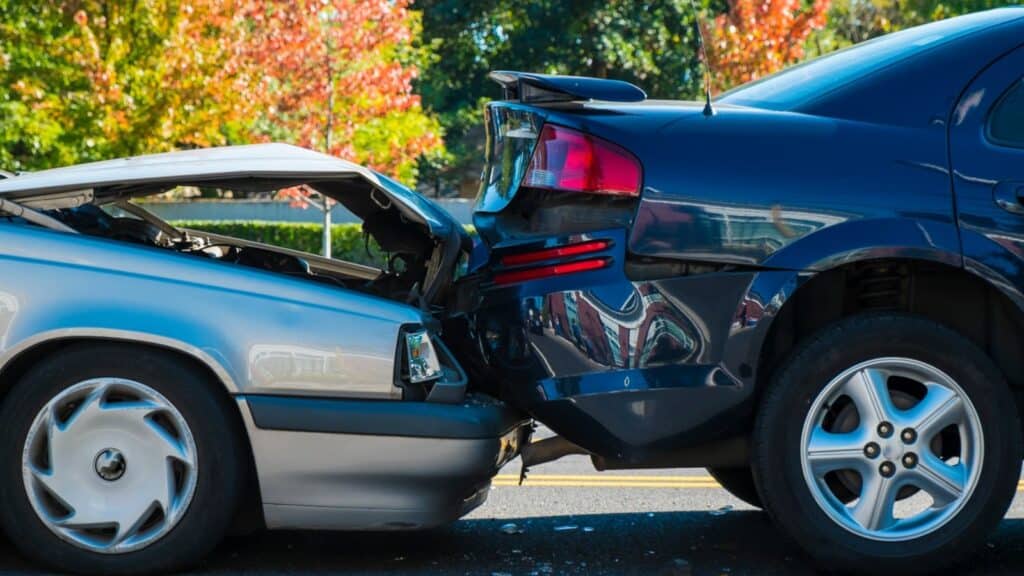
Slidell auto insurance coverage
Key Takeaways About No-Fault Car Insurance in Louisiana
Louisiana drivers should understand that no-fault car insurance does not work the same way in every state. Louisiana is generally handled as a fault-based state, so drivers should review liability, uninsured motorist, collision, comprehensive, and medical payment options carefully. Understanding the difference can help drivers avoid policy gaps after a crash.
- Louisiana drivers are required to carry minimum liability coverage.
- Louisiana is not generally treated as a true no-fault auto insurance state.
- No-fault insurance usually involves first-party injury benefits through Personal Injury Protection.
- Uninsured motorist coverage is especially important to review in Louisiana.
- Drivers should compare policy limits, deductibles, exclusions, and optional coverage before renewal.
FAQ About No-Fault Car Insurance in Louisiana
Is Louisiana a no-fault auto insurance state?
Louisiana is generally considered a fault-based auto insurance state. Drivers should not assume a no-fault claim system applies the same way it does in states that require Personal Injury Protection.
What auto insurance does Louisiana require?
Louisiana requires minimum liability coverage. Drivers may also choose additional coverage such as collision, comprehensive, medical payments, and uninsured motorist protection.
Does Louisiana require PIP coverage?
Louisiana minimum auto insurance requirements focus on liability coverage, not mandatory Personal Injury Protection. Drivers should ask an agent about available medical payment options and uninsured motorist protection.
Can a Louisiana driver sue after a crash?
Louisiana’s fault-based system may allow claims against an at-fault driver when damages are caused by that driver. Legal rights depend on the facts of the crash, policy limits, and applicable law.
What coverage should Louisiana drivers review?
Louisiana drivers should review liability limits, uninsured motorist coverage, collision coverage, comprehensive coverage, deductibles, exclusions, and medical payment options.
- About the Author
- Latest Posts

With over 80 years of combined experience, Southern Ambit Insurance stands as an authority in simplifying the complex world of insurance. Our team is committed to providing exceptional customer service, conducting thorough risk assessments, and crafting tailored policies that offer our clients the best protection and peace of mind.